Understanding QC Microbiology: The Guardian of Pharmaceutical Safety
What is QC Microbiology?
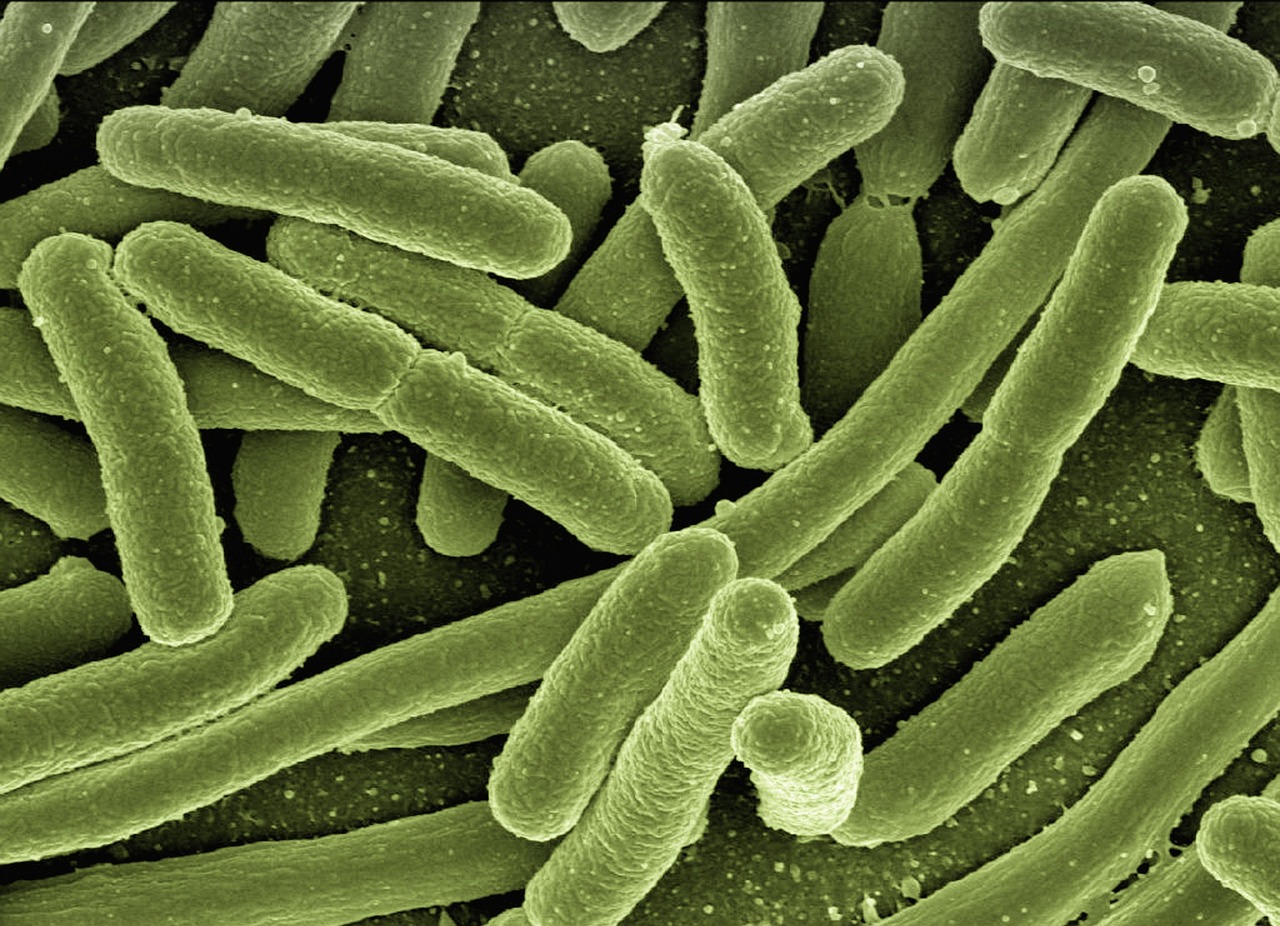
Quality Control (QC) Microbiology is a critical discipline within the pharmaceutical and biopharmaceutical industries that focuses on detecting, preventing, and controlling microbial contamination in drug products, raw materials, and manufacturing environments. It ensures that pharmaceuticals are free from harmful microorganisms—such as bacteria, yeasts, molds, and viruses—that could compromise product safety, efficacy, or stability. By employing standardized testing protocols and advanced analytical techniques, QC Microbiology upholds Good Manufacturing Practices (GMP) and regulatory standards from bodies like the FDA, EMA, and WHO. In essence, it’s the frontline defense against invisible threats, safeguarding patient health and enabling the reliable production of life-saving medications.
The Role of QC Microbiology in the Pharma and Biopharma Industries
In the pharmaceutical industry, which produces small-molecule drugs like tablets and capsules, QC Microbiology plays a pivotal role in maintaining product integrity from raw material intake to final packaging. It verifies that non-sterile products meet microbial limits, preventing issues like spoilage or infections from oral or topical formulations. For the biopharmaceutical sector, which deals with complex biologics such as vaccines, monoclonal antibodies, and gene therapies, the stakes are even higher. Here, microbial control is essential to protect sensitive biological processes, where contamination could halt production batches worth millions or trigger immune responses in patients.
Across both industries, QC Microbiology supports:
- Regulatory Compliance: Adhering to pharmacopeial standards (e.g., USP, EP) to avoid costly recalls and penalties.
- Risk Management: Identifying contamination sources early, from water systems to cleanroom air, to minimize downtime and enhance process efficiency.
- Innovation Support: Validating new manufacturing technologies and ensuring scalability for global markets.
Without robust QC Microbiology programs, the industry risks widespread health crises, as seen in historical outbreaks linked to contaminated drugs.
Key Tests in QC Microbiology
QC Microbiology employs a range of validated tests tailored to different product types and production stages. These methods are precise, reproducible, and often automated for efficiency. Common tests include:
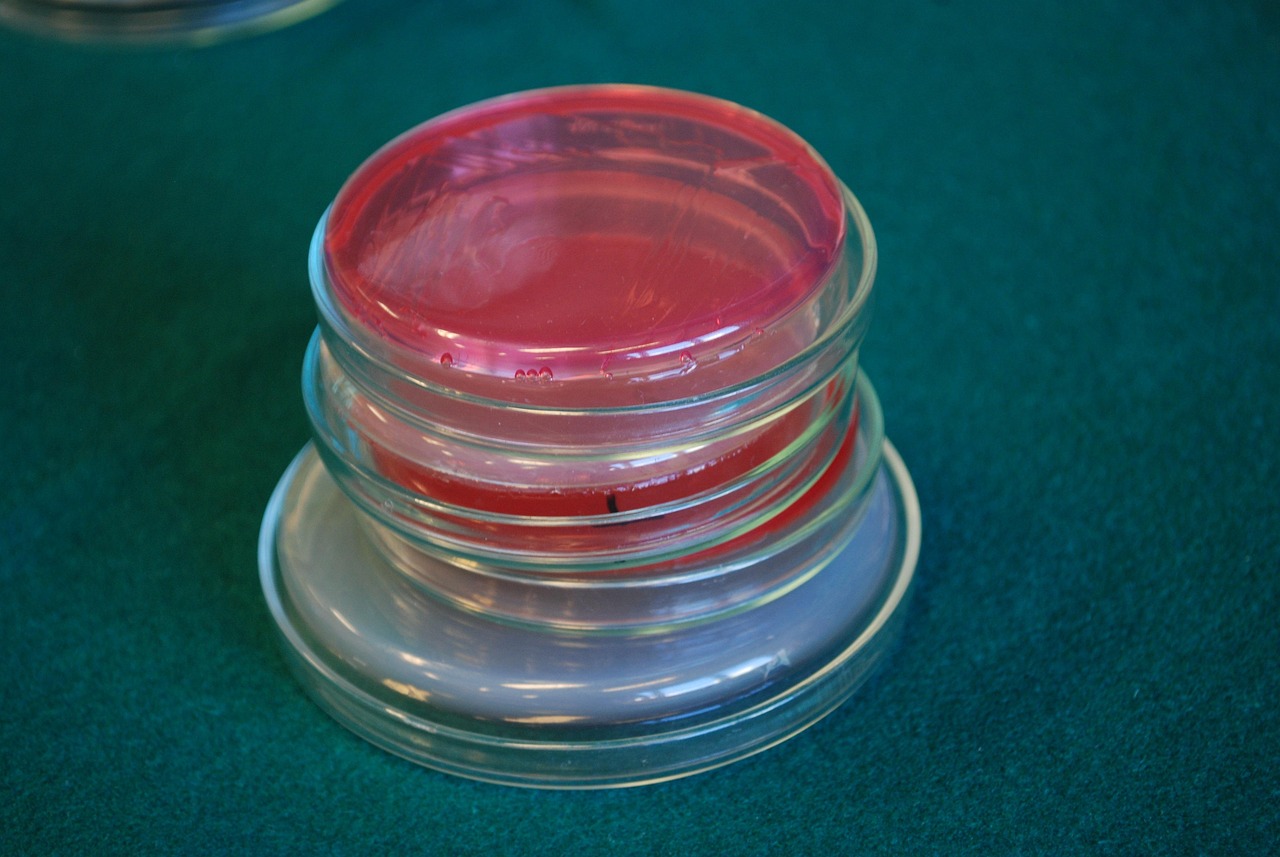
- Environmental Monitoring: Sampling air, surfaces, and personnel in cleanrooms to track viable and non-viable particulates, using techniques like settle plates and active air sampling.
- Raw Material and Water Testing: Assessing total viable counts (e.g., TVAC) and specific pathogens in excipients and purified water via pour-plate or membrane filtration methods.
- Microbial Limits Testing: Enumerating bacteria, yeasts, and molds in non-sterile products per USP <61> and <62>, ensuring counts stay below acceptable thresholds.
- Method Validation: Developing and verifying custom assays for unique formulations, following ICH Q2 guidelines for accuracy and robustness.
These tests form the backbone of routine QC, providing data-driven insights to refine manufacturing controls.

The Critical Importance in Injectables: Focus on Sterility and BET
Injectable products—such as intravenous solutions, vaccines, and biologics—represent the highest-risk category in pharmaceuticals due to direct bloodstream administration, bypassing natural barriers like skin or stomach acid. A single microbial contaminant in an injectable can lead to severe sepsis, organ failure, or death, making QC Microbiology indispensable. Regulatory agencies mandate absolute sterility for these products, with zero tolerance for viable organisms.
Two cornerstone tests underscore this emphasis:
Sterility Testing
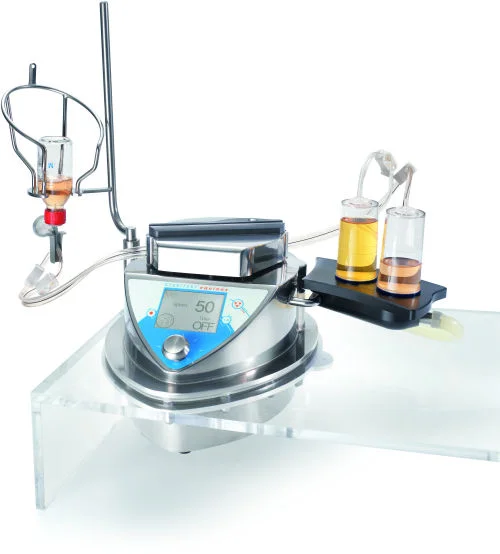
This gold-standard assay confirms the absence of viable microorganisms in sterile injectables. Performed under aseptic conditions, it involves:
- Direct Inoculation: Incubating product samples in growth media (e.g., fluid thioglycollate for anaerobes, soybean-casein digest for aerobes) for 14 days.
- Membrane Filtration: Filtering larger volumes through 0.45 μm membranes, then incubating to detect any growth.
Per USP <71>, a passing result requires no microbial growth across multiple samples. False negatives are mitigated by method suitability tests, ensuring the product doesn’t inhibit microbial recovery. In biopharma, where injectables like mRNA vaccines are produced, sterility testing prevents catastrophic batch failures and upholds public trust.
Bacterial Endotoxin Test (BET)
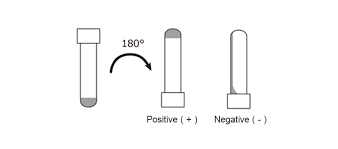
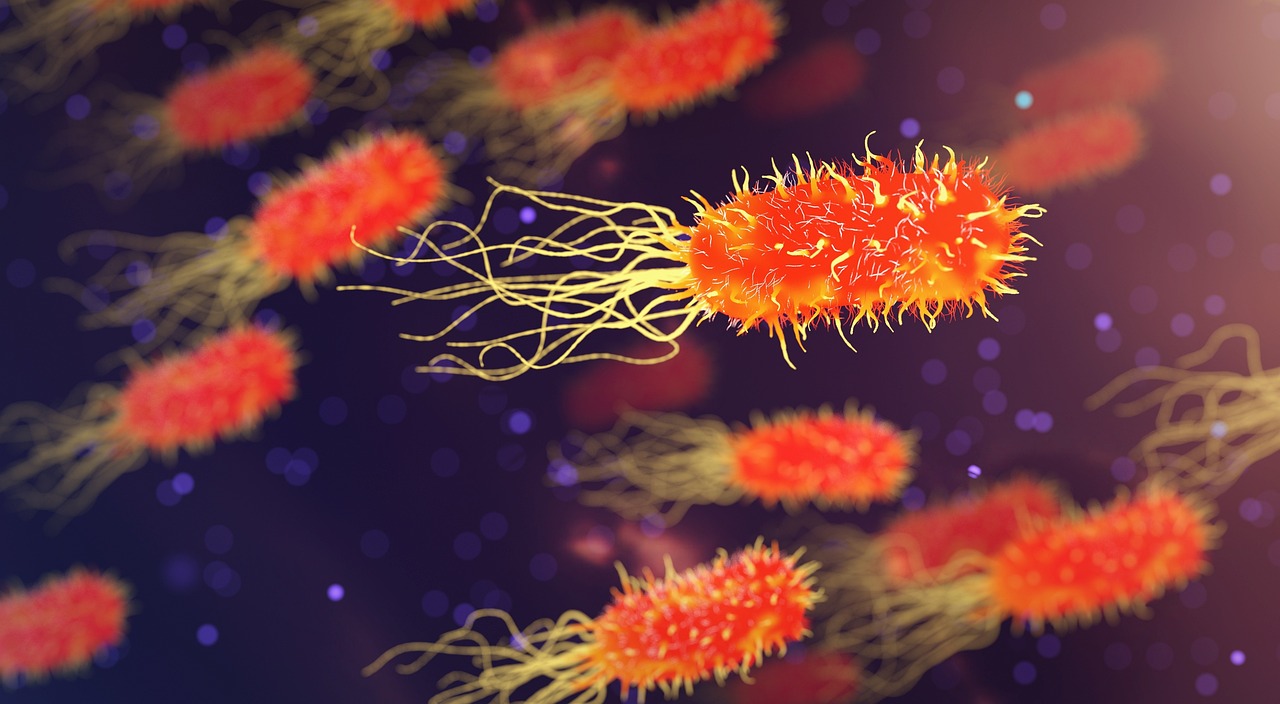
Even if sterile, injectables must be free from endotoxins—lipopolysaccharides from Gram-negative bacteria cell walls that trigger fever, inflammation, or shock (pyrogenic reactions). BET, primarily the Limulus Amebocyte Lysate (LAL) method, detects these at picogram levels:
- Gel-Clot Technique: LAL reagent clots in the presence of endotoxins, with limits like <0.5 EU/mL for most injectables.
- Kinetic Chromogenic Method: Quantifies endotoxins via color change, ideal for high-throughput labs.
Aligned with USP <85>, BET is non-destructive and highly sensitive, making it routine for water-for-injection and final products. In the biopharma realm, where endotoxin spikes can derail clinical trials, BET ensures biocompatibility and accelerates time-to-market.
By prioritizing these tests, QC Microbiology not only complies with stringent regs but also fortifies the entire injectable supply chain, from API synthesis to patient administration. As the industry evolves with personalized medicines, the demand for advanced QC strategies will only grow, highlighting microbiology’s enduring role in innovation and safety.